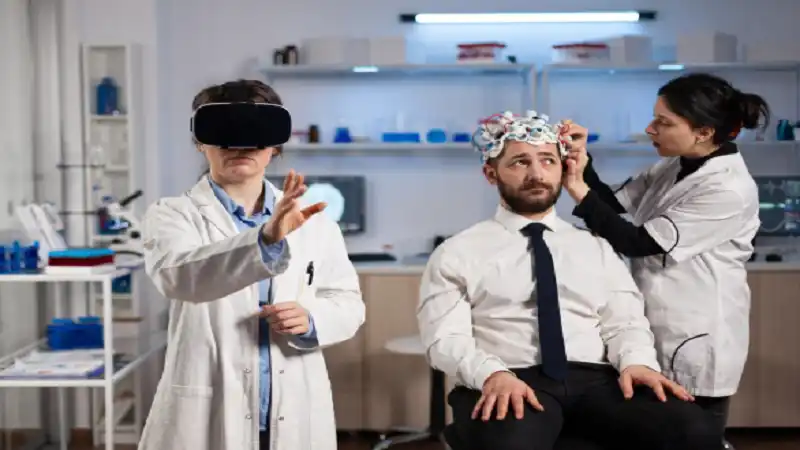
Video games have become a major part of modern life. Children, teenagers, and adults all spend time playing games on consoles, computers, and mobile devices. While gaming is often seen as simple entertainment, researchers have discovered that it can significantly influence how the brain works. Many people search for how gaming affects the brain bfnctutorials to better understand whether gaming is helpful, harmful, or a mix of both.
This article explains in simple terms how gaming affects brain structure, thinking skills, emotions, and behavior. It also provides clear guidelines for healthy gaming habits so players can enjoy games while protecting their mental and physical well-being.
Understanding the Brain and How It Works
Before discussing gaming, it is important to understand the brain’s basic functions. The brain controls:
-
Memory
-
Attention
-
Decision-making
-
Problem-solving
-
Emotions
-
Motor skills
The brain is made up of billions of nerve cells called neurons. These neurons communicate with each other through electrical and chemical signals. When we learn something new or practice a skill repeatedly, connections between neurons become stronger. This process is called neuroplasticity, which means the brain can change and adapt over time.
Video games stimulate multiple areas of the brain at once. Players must see, hear, think, react, and sometimes make quick decisions. Because of this, gaming can shape brain development in both positive and negative ways.
Positive Effects of Gaming on the Brain
1. Improved Problem-Solving Skills
Many games require players to complete missions, solve puzzles, and overcome challenges. Strategy and adventure games often push players to think carefully before acting. This repeated mental practice can strengthen the brain’s ability to analyze situations and find solutions.
Players learn to:
-
Break down complex tasks
-
Plan ahead
-
Adjust strategies when something does not work
These skills can sometimes transfer to real-life situations, such as schoolwork or workplace tasks.
2. Better Hand-Eye Coordination
Action games, in particular, require quick reactions. Players must coordinate what they see on the screen with fast movements of their hands. Over time, this can improve hand-eye coordination.
Studies have shown that gamers often perform better in tasks that involve tracking moving objects or responding quickly to visual changes. Some professions, such as surgeons or pilots, benefit from strong hand-eye coordination.
3. Enhanced Memory
Many games involve remembering maps, character abilities, rules, and story details. Role-playing games and adventure games especially demand strong memory skills.
When discussing how gaming affects the brain bfnctutorials, experts often point to improvements in working memory. Working memory allows people to hold and use information over short periods. For example, remembering directions while navigating a new city uses working memory.
4. Increased Attention and Focus
Fast-paced games require players to pay close attention to small details. Missing a visual or audio cue can lead to losing a level or match. As a result, gamers often develop better selective attention, meaning they can focus on important information while ignoring distractions.
This skill can be useful in environments that require concentration, such as studying in a noisy place or managing multiple tasks at work.
5. Emotional Benefits
Gaming can also support emotional well-being when done in moderation. Some benefits include:
-
Stress relief after a long day
-
A sense of achievement from completing goals
-
Social connection through multiplayer games
Online games allow players to communicate and cooperate with others around the world. This can help build friendships and teamwork skills.
Negative Effects of Gaming on the Brain
While gaming has benefits, excessive or unhealthy gaming can lead to problems. It is important to look at both sides of the issue.
1. Risk of Addiction
One of the biggest concerns about gaming is addiction. Some games are designed to reward players frequently with points, levels, or virtual items. These rewards trigger the brain’s dopamine system, which is linked to pleasure and motivation.
Over time, the brain may begin to crave these rewards. Another angle of how gaming affects the brain bfnctutorials involves changes in the brain’s reward system, especially in people who play for many hours each day. This can make it harder to stop playing, even when gaming interferes with school, work, or relationships.
2. Reduced Physical Activity
Spending long hours sitting and playing games can reduce physical movement. Lack of exercise can affect both physical health and brain health. Regular physical activity improves blood flow to the brain, which supports memory and thinking skills.
When gaming replaces exercise, outdoor activities, or sports, it can negatively affect overall development, especially in children and teenagers.
3. Sleep Problems
Many gamers play late at night. The bright light from screens can reduce the production of melatonin, the hormone that helps regulate sleep. In addition, exciting or competitive games can make it difficult for the brain to relax before bedtime.
Poor sleep affects:
-
Memory
-
Concentration
-
Mood
-
Decision-making
Over time, lack of sleep can weaken cognitive performance and emotional control.
4. Increased Aggression (In Some Cases)
Some research suggests that violent games may increase aggressive thoughts or behavior in certain individuals. However, this effect is not the same for everyone. Personality, environment, and existing mental health conditions all play a role.
It is important to understand that gaming alone does not automatically cause violent behavior. The impact depends on many different factors, including how often a person plays and what type of games they choose.
How Gaming Changes Brain Structure
Brain imaging studies show that frequent gaming can change the size and activity of certain brain areas. For example:
-
The hippocampus, linked to memory and navigation, may become more active in some gamers.
-
The prefrontal cortex, responsible for decision-making and self-control, can be strengthened through strategy-based games.
-
The reward system may become highly sensitive in heavy gamers.
These changes are not automatically good or bad. They reflect the brain’s ability to adapt to repeated experiences. Just like learning a musical instrument or playing sports, gaming trains the brain in specific ways.
Age and Brain Development
The effects of gaming can vary depending on age.
Children
Children’s brains are still developing. Moderate gaming can support learning and coordination. However, excessive gaming may interfere with social development, school performance, and physical activity.
Parents should monitor:
-
Screen time
-
Game content
-
Emotional reactions during play
Teenagers
Teenagers are more independent but still developing self-control skills. Competitive and social games can build teamwork and communication abilities. However, this age group is also more vulnerable to gaming addiction due to ongoing brain development.
Adults
In adults, gaming can improve mental flexibility and relieve stress. For older adults, certain brain-training games may even help maintain cognitive function. Still, balance remains essential at any age.
The Role of Game Type
Not all games affect the brain in the same way.
-
Puzzle games improve logic and planning.
-
Action games strengthen reaction time and attention.
-
Simulation games encourage creativity and management skills.
-
Multiplayer games develop communication and teamwork.
The type of game matters as much as the amount of time spent playing.
Guidelines for Healthy Gaming
Understanding how gaming affects the brain is important, but knowing how to manage gaming habits is even more essential. Below are practical guidelines for balanced gaming:
1. Set Time Limits
Decide in advance how long you will play. For children and teens, parents can set clear daily limits. Adults can use timers or schedules to avoid playing for too long.
2. Take Regular Breaks
Follow the 20-20-20 rule:
Every 20 minutes, look at something 20 feet away for 20 seconds. This helps reduce eye strain and mental fatigue.
Stand up, stretch, and move around during breaks.
3. Choose Age-Appropriate Games
Check game ratings and content. Make sure the themes, language, and level of violence are suitable for the player’s age.
4. Balance Gaming with Other Activities
Encourage:
-
Physical exercise
-
Reading
-
Outdoor play
-
Social interaction
Gaming should be one part of a balanced lifestyle, not the only activity.
5. Monitor Emotional Health
If gaming causes anger, frustration, anxiety, or social withdrawal, it may be time to reduce playtime. Healthy gaming should feel enjoyable, not stressful or uncontrollable.
Long-Term Perspective
Overall, how gaming affects the brain bfnctutorials is a topic that requires balance and understanding. Gaming is neither completely harmful nor entirely beneficial. Its impact depends on factors such as duration, content, personality, and lifestyle.
The brain is highly adaptable. Positive habits can strengthen useful skills, while excessive habits can create challenges. By practicing moderation and mindful gaming, players can enjoy entertainment while protecting their mental and emotional health.
Conclusion
Gaming is a powerful activity that engages many parts of the brain. It can improve memory, attention, coordination, and problem-solving skills. At the same time, excessive gaming may increase the risk of addiction, sleep problems, and reduced physical activity.
The key is balance. By setting limits, choosing appropriate games, and maintaining a healthy lifestyle, gaming can remain a fun and beneficial activity. Understanding how gaming affects the brain helps individuals make informed decisions about their screen time and overall well-being.
With awareness and responsibility, gaming can be a positive part of modern life rather than a harmful habit.
Reed More: misalignment