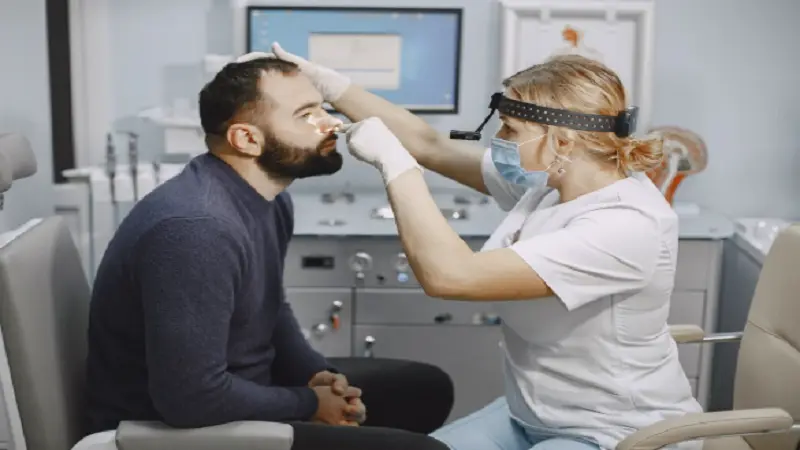
Eye misalignment, medically known as strabismus, is a condition in which the eyes fail to look in the same direction at the same time. Instead of both eyes focusing on a single point, one eye may turn inward, outward, upward, or downward. Although the condition is often associated with children, eye misalignment can occur at any age, affecting both vision and quality of life. Understanding the causes, symptoms, diagnosis, and available treatments is essential for early intervention and long-term eye health.
What Is Eye Misalignment?
Eye misalignment is a visual disorder that occurs when the muscles controlling the eye movements do not work together properly. Under normal circumstances, both eyes move in perfect coordination, sending combined images to the brain to create clear, single vision. When this coordination is disrupted, the brain receives two slightly different images. This mismatch can lead to difficulties such as blurred vision, double vision, and depth-perception problems. In children, the brain may suppress the image from the misaligned eye, leading to amblyopia (lazy eye).
Eye misalignment is not just a cosmetic issue. While a noticeable eye turn can affect self-esteem and social interactions, the functional impact on vision and brain development is far more important. If left untreated, it can lead to permanent visual impairment.
Types of Eye Misalignment
There are several types of strabismus, classified based on the direction of the eye turn and how frequently it occurs.
1. Esotropia (Eye Turns Inward)
This is the most common type in infants and young children. One or both eyes turn inward toward the nose. It may be constant or appear intermittently and can be caused by genetics, refractive errors, or neurological conditions.
2. Exotropia (Eye Turns Outward)
In this type, one eye turns outward, especially when the person is tired, sick, or focusing on distant objects. Intermittent exotropia is the most common form, often appearing in childhood and sometimes worsening over time.
3. Hypertropia (Eye Turns Upward)
One eye drifts upward relative to the other. This condition can be subtle or severe and is often associated with problems in the vertical eye muscles or nerves.
4. Hypotropia (Eye Turns Downward)
The opposite of hypertropia, hypotropia occurs when one eye turns downward. It is usually linked to trauma, nerve damage, or certain medical conditions affecting muscle control.
5. Intermittent vs. Constant Misalignment
-
Intermittent misalignment appears only at certain times (e.g., when tired).
-
Constant misalignment is always present and typically requires more intensive treatment.
Each type has different causes, symptoms, and treatment approaches, making an accurate diagnosis essential.
Causes of Eye Misalignment
Eye misalignment can be the result of numerous factors, and sometimes, the exact cause remains unknown. The most common causes include:
1. Muscle Imbalance
Six muscles control each eye’s movement. If one or more of these muscles are weaker or stronger than the others, the eyes may not align properly.
2. Genetics
Family history plays a significant role. Children with parents or siblings who have strabismus are at a higher risk of developing the condition.
3. Refractive Errors
Uncorrected farsightedness (hyperopia) can cause the eyes to cross inward as they work harder to focus, leading to accommodative esotropia.
4. Neurological Issues
Problems affecting the brain or nerves responsible for eye movement—such as cerebral palsy, Down syndrome, stroke, or head injury—can contribute to eye misalignment.
5. Trauma
Physical injury to the eye muscles, nerves, or brain can cause sudden misalignment.
6. Medical Conditions
Thyroid eye disease, diabetes-related nerve palsies, and other systemic issues may lead to misaligned eyes, especially in adults.
7. Age-Related Factors
In adults, misalignment can occur due to weakened muscles, nerve degeneration, or previous surgeries.
Understanding the root cause helps determine the most effective treatment plan.
Symptoms of Eye Misalignment
Eye misalignment can present differently depending on age, severity, and type. Common symptoms include:
1. Double Vision
Adults often experience double vision because the brain cannot ignore the image from the misaligned eye. Children rarely report this due to the brain’s ability to suppress the conflicting image.
2. Eye Strain and Fatigue
Misalignment forces the eyes to work harder, causing discomfort, headaches, and difficulty focusing.
3. Poor Depth Perception
Difficulty judging distances can lead to problems with sports, driving, and daily activities like pouring liquids or climbing stairs.
4. Squinting or Tilting the Head
People may tilt or turn their heads to compensate for misalignment and reduce double vision.
5. Wandering Eye
A visible turning of one eye, especially noticeable in photographs or when the person is tired.
6. Difficulty Reading
Children may skip lines, lose their place, or show frustration when reading due to misaligned eyes working inefficiently.
7. Amblyopia (Lazy Eye)
In children, untreated misalignment can cause the brain to rely on one eye while ignoring the other, leading to permanent vision loss in the weaker eye.
Recognizing these symptoms early allows for timely intervention and improved outcomes.
How Eye Misalignment Is Diagnosed
A comprehensive eye exam conducted by an ophthalmologist or optometrist is essential for diagnosing eye misalignment. The process typically includes:
1. Medical and Family History Review
Understanding symptoms, onset, and family patterns helps identify potential causes.
2. Visual Acuity Test
Checks how well each eye sees at different distances.
3. Cover Test
A common test where one eye is covered while observing the movement of the other. It helps determine the presence and type of misalignment.
4. Refraction Test
Measures prescription needs to identify refractive errors contributing to misalignment.
5. Eye Movement Assessment
Evaluates how well the eye muscles work together in all directions.
6. Dilated Exam
Allows the doctor to examine the retina and identify any underlying issues.
In certain cases, especially in adults with sudden onset, brain imaging may be required to rule out neurological causes.
Treatment Options for Eye Misalignment
The treatment of eye misalignment depends on the type, severity, and underlying cause. The earlier the intervention, the better the outcomes—especially for children.
1. Eyeglasses or Contact Lenses
For patients whose misalignment is caused by refractive errors, corrective lenses can significantly improve alignment. This is particularly effective for accommodative esotropia.
2. Prism Lenses
Prism glasses help align the images seen by each eye, reducing or eliminating double vision. They do not cure misalignment but help with symptoms.
3. Vision Therapy
Vision therapy involves a series of eye exercises designed to strengthen eye muscles, improve coordination, and enhance visual processing. It is particularly helpful for intermittent exotropia and some muscle-coordination issues.
4. Eye Patching
In children, covering the stronger eye can strengthen the weaker eye and prevent amblyopia. This method is often combined with other treatments.
5. Medications
Botox injections into specific eye muscles can temporarily weaken overactive muscles and improve alignment. This method is useful for certain types of misalignment in adults and children.
6. Eye Muscle Surgery
When other treatments fail or misalignment is severe, surgery may be recommended. Eye muscle surgery adjusts the length or position of the eye muscles to restore proper alignment. It is usually a quick procedure with a high success rate, though some patients may require additional treatments.
7. Treatment of Underlying Health Conditions
Addressing medical issues such as thyroid disease, diabetes, or neurological disorders is crucial when these conditions contribute to misalignment.
No single treatment works for everyone, so a personalized plan is essential.
Living With Eye Misalignment
Living with eye misalignment can be challenging—physically, emotionally, and socially. Children may struggle with academic tasks, while adults may experience professional or driving difficulties. Emotional effects such as low self-esteem, social anxiety, or frustration are also common.
However, with modern treatments and early diagnosis, most individuals can achieve excellent visual outcomes. Support from family, teachers, and healthcare providers plays a major role in managing the condition.
Conclusion
Eye misalignment is a common yet often misunderstood condition that affects people of all ages. It involves more than just a cosmetic difference; it can significantly impact vision, depth perception, and daily functioning. Fortunately, advancements in eye care—ranging from glasses and vision therapy to surgeries and prism lenses—offer effective solutions. Early detection and individualized treatment are key to achieving the best results.
Understanding eye misalignment empowers individuals to seek timely medical attention and protect their long-term vision health. With proper care, most people can enjoy clear vision, improved eye coordination, and a better quality of life.
See More:misalignment.net