The human body is designed to move in balance. When one part is slightly out of position, it can affect many other areas. One common issue related to body balance is hip misalignment, a condition in which the hip joints are not positioned evenly or are not moving in a coordinated way. This issue can affect people of all ages, from active athletes to individuals who spend long hours sitting. Understanding this condition is important because the hips play a central role in posture, walking, standing, and overall movement.
This article explains the topic in a clear and simple way. It covers what the condition is, why it happens, common signs, how it is identified, and general guidelines for managing and preventing related discomfort. The goal is to provide useful information without promoting any specific service or website.
Understanding the Role of the Hips
The hips are among the largest and strongest joints in the body. They connect the upper body to the legs and support much of the body’s weight. Each hip joint is a ball-and-socket joint, allowing movement in several directions, such as forward, backward, and sideways.
Because the hips are connected to the spine, pelvis, knees, and feet, their alignment affects the entire body. When the hips are positioned evenly, movement feels smooth and balanced. When they are uneven, stress can be placed on muscles, ligaments, and joints in other areas. Over time, this imbalance may lead to discomfort or limited mobility.
What Causes Hip Alignment Problems
There are many possible reasons why the hips may shift out of their natural position. One common cause of hip misalignment is poor posture. Sitting for long periods, especially with crossed legs or uneven weight distribution, can slowly affect the position of the hips.
Another cause is muscle imbalance. Some muscles may become tight while others become weak. For example, tight hip flexors combined with weak glute muscles can pull the hips forward or to one side. Injuries, such as falls or sports-related impacts, can also contribute. Even a minor injury that was not fully healed may change how a person moves, leading to alignment issues.
Daily habits play a role as well. Carrying heavy bags on one side, standing with more weight on one leg, or sleeping in the same position every night can influence hip positioning over time.
Common Signs and Symptoms
The symptoms of hip-related alignment issues can vary from person to person. Some people may notice discomfort in the lower back, hips, or knees. Others may feel stiffness, especially after sitting or waking up in the morning. In some cases, one leg may feel slightly longer than the other, even if the bones are actually the same length.
Another sign of hip misalignment can be uneven wear on shoes. If one shoe sole wears out faster than the other, it may indicate an imbalance in how weight is distributed while walking. Some people also experience reduced flexibility or a feeling that one side of the body works harder than the other.
It is important to note that symptoms may develop gradually. Because the body often adapts to imbalance, discomfort may not appear right away. This is why paying attention to small changes in posture or movement is helpful.
How It Affects Daily Life
When the hips are not aligned properly, everyday activities can become more challenging. Walking may feel uneven, and standing for long periods may cause fatigue. Sitting for extended times can increase stiffness, especially when trying to stand up again.
Physical activities such as running, lifting, or bending may also be affected. The body may compensate by placing extra stress on other joints, such as the knees or ankles. Over time, this added stress can increase the risk of strain or discomfort in those areas.
Even simple movements, like climbing stairs or turning quickly, may feel less stable. This can affect confidence in movement and overall comfort during daily routines.
Identifying Alignment Issues
Identifying hip-related alignment problems often starts with observing posture and movement. Standing in front of a mirror can sometimes reveal uneven hip height or a tilted pelvis. Paying attention to how weight is distributed while standing or walking can also provide clues.
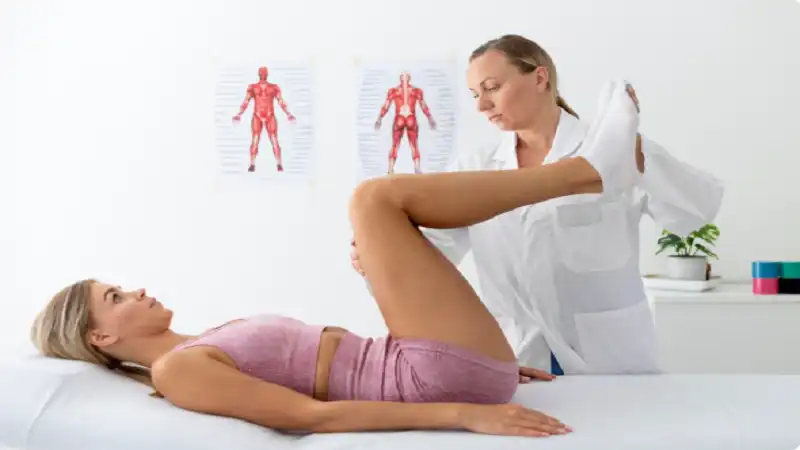
In some cases, a trained professional may assess posture, leg length, and movement patterns. They may look at how the pelvis moves during walking or how flexible certain muscles are. This type of evaluation helps identify whether the hips are contributing to discomfort or imbalance.
Self-awareness is an important first step. Noticing patterns of discomfort, stiffness, or uneven movement can guide decisions about lifestyle changes or further evaluation.
General Management Guidelines
Managing hip-related alignment issues often focuses on improving balance, flexibility, and strength. One important guideline is to maintain good posture. Sitting with both feet flat on the floor, keeping the back straight, and avoiding leaning to one side can help reduce uneven pressure on the hips.
Stretching tight muscles is another helpful approach. Gentle stretches that target the hips, thighs, and lower back can improve flexibility and reduce tension. At the same time, strengthening exercises for the core and glute muscles support better alignment and stability.
Regular movement throughout the day is also important. Standing up, walking, or stretching every hour can prevent stiffness caused by prolonged sitting. When lifting objects, using proper technique and engaging the legs rather than the lower back can protect the hips and spine.
Lifestyle Habits That Support Balance
Daily habits have a strong influence on hip health. Choosing supportive footwear can help maintain even weight distribution while walking or standing. Avoiding habits such as carrying bags on one shoulder or always standing on the same leg can also make a difference.
Sleeping position matters as well. Sleeping on the back or side with proper support, such as a pillow between the knees when lying on the side, can help keep the hips in a more neutral position during rest.
Maintaining a healthy activity level supports muscle balance and joint health. Activities that promote overall strength, flexibility, and coordination can reduce the risk of developing hip misalignment related discomfort over time.
Prevention and Long-Term Care
Preventing hip alignment problems often involves awareness and consistency. Paying attention to posture, movement, and daily habits can help catch small issues before they become more noticeable. Incorporating regular stretching and strengthening routines into weekly activities supports long-term balance.
Listening to the body is also important. If certain movements cause repeated discomfort, adjusting technique or taking breaks may prevent strain. Gradual changes are often more effective than sudden, intense routines.
Long-term care focuses on maintaining balanced movement patterns. This includes staying active, avoiding prolonged inactivity, and making ergonomic adjustments at work or home when needed.
Conclusion
The hips play a vital role in how the body moves and functions. When their alignment is off, it can influence posture, comfort, and overall mobility. Understanding the causes, signs, and general management strategies related to hip misalignment empowers individuals to take simple, informed steps toward better balance.
By focusing on posture, movement, and healthy daily habits, many people can reduce discomfort and support proper alignment over time. Small, consistent changes often have the greatest impact, helping the body move more comfortably and efficiently in everyday life.
See More: misalignment.net