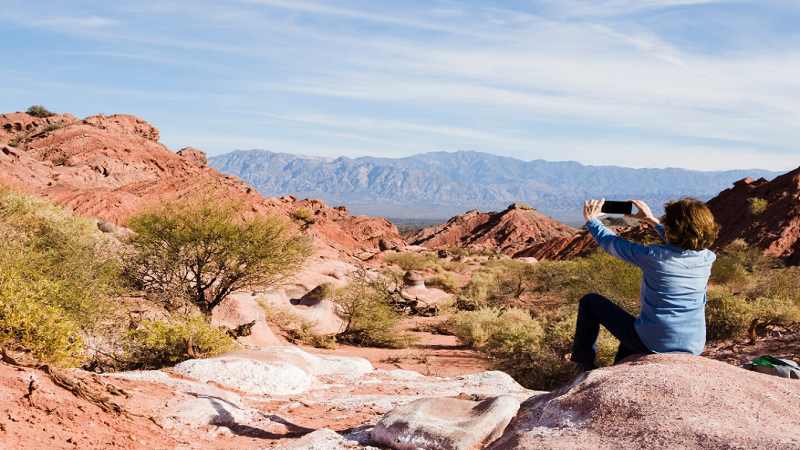
Exploration is one of the most powerful drivers of human curiosity. From ancient travelers crossing deserts to modern scientists mapping the ocean floor, the desire to discover what lies beyond the known has shaped civilizations. The idea behind daskusza exploration can be understood as a journey into unfamiliar territory—physical, intellectual, or even personal—with the goal of learning, understanding, and growth.
This article explains the meaning of exploration, its historical roots, its different forms, its benefits, and practical guidelines for engaging in exploration in a safe and meaningful way.
What Is Exploration?
Exploration is the act of investigating unknown places, ideas, or experiences. It involves curiosity, observation, risk management, and adaptability. Exploration can take many forms:
-
Geographic exploration (new lands, oceans, caves)
-
Scientific exploration (space, biology, physics)
-
Cultural exploration (languages, traditions, history)
-
Personal exploration (self-discovery, skills, creativity)
At its core, exploration is about expanding boundaries—whether those boundaries are on a map or in the mind.
A Brief History of Exploration
Throughout history, exploration has shaped societies and expanded knowledge.
Early Human Exploration
Early humans were explorers by necessity. They migrated in search of food, water, and safer living conditions. These movements eventually led to the settlement of continents across the globe.
Age of Discovery
Between the 15th and 17th centuries, explorers traveled by sea to find new trade routes and territories. These journeys connected distant civilizations but also brought conflict and colonization. Exploration during this period dramatically reshaped global history.
Scientific and Space Exploration
The 20th and 21st centuries introduced new frontiers. Humans explored:
-
The deep ocean
-
The polar regions
-
Outer space
Space missions, in particular, symbolize humanity’s continuous push beyond known limits.
The spirit behind these ventures reflects the essence of daskusza exploration—seeking knowledge in places once thought unreachable.
Types of Exploration
Exploration is not limited to dramatic expeditions. It exists in many forms, each contributing to growth and understanding.
1. Geographic Exploration
This involves discovering new landscapes, ecosystems, or natural formations. Examples include:
-
Mountain climbing
-
Cave exploration
-
Arctic research
-
Rainforest studies
Geographic exploration improves our understanding of Earth’s climate, biodiversity, and geology.
2. Scientific Exploration
Scientists explore invisible or complex systems such as:
-
Human genetics
-
Subatomic particles
-
Deep-sea ecosystems
-
Distant galaxies
Scientific exploration often requires advanced tools, research methods, and teamwork.
3. Cultural Exploration
Cultural exploration involves learning about:
-
Languages
-
Traditions
-
Music
-
Food
-
Social customs
This form of exploration encourages empathy and global awareness.
4. Personal Exploration
Personal exploration is inward-focused. It may involve:
-
Learning a new skill
-
Developing emotional intelligence
-
Discovering creative talents
-
Reflecting on personal values
This internal journey can be just as challenging and rewarding as traveling across continents.
Why Exploration Matters
Exploration is important for both individuals and societies.
Expands Knowledge
Exploration leads to discovery. Scientific breakthroughs, new technologies, and medical advancements often result from research into unknown areas.
Encourages Innovation
When people explore, they encounter new problems. Solving those problems leads to innovation and creative thinking.
Builds Resilience
Exploration involves uncertainty. Facing unfamiliar environments strengthens adaptability, courage, and problem-solving skills.
Promotes Understanding
Cultural exploration reduces prejudice and builds respect between communities. Understanding different perspectives leads to cooperation and peace.
The Psychological Side of Exploration
Curiosity is a natural human trait. Psychologists describe it as a motivation to seek new information and experiences. Exploration satisfies this curiosity and stimulates the brain.
Benefits include:
-
Increased creativity
-
Improved memory
-
Greater confidence
-
Reduced fear of the unknown
However, exploration also requires managing fear and risk. Balanced exploration involves preparation and awareness rather than reckless behavior.
Guidelines for Safe and Effective Exploration
Whether exploring nature, science, or personal development, certain guidelines can help ensure success and safety.
1. Prepare Thoroughly
Research your subject or destination. Preparation reduces unnecessary risks and increases the chances of meaningful discovery.
2. Set Clear Goals
Know what you hope to achieve. Are you seeking knowledge, experience, or personal growth? Clear goals provide direction.
3. Respect Limits
Understand physical, environmental, and ethical boundaries. Responsible exploration avoids harm to people, cultures, and ecosystems.
4. Stay Adaptable
Unexpected challenges are part of exploration. Flexibility helps you adjust to new information or changing conditions.
5. Document Your Findings
Keeping notes, photos, or journals allows you to reflect on what you have learned and share knowledge with others.
6. Learn Continuously
Exploration does not end with a single journey. Each experience should lead to new questions and deeper understanding.
These principles reflect the mindset behind daskusza exploration, where discovery is balanced with responsibility and growth.
Modern Exploration in the Digital Age
Technology has transformed how we explore.
Virtual Exploration
Digital tools allow people to explore:
-
Historical sites through virtual tours
-
The ocean floor through online simulations
-
Space through telescope imagery
While virtual exploration lacks physical experience, it expands access to knowledge.
Data Exploration
Researchers now explore massive data sets to uncover patterns in health, climate, economics, and behavior. Data exploration requires analytical skills and critical thinking.
Social Exploration
Online communities allow individuals to explore ideas, cultures, and perspectives from around the world. However, digital exploration requires careful evaluation of information sources.
Challenges in Exploration
Exploration is not always positive or simple. It comes with challenges:
-
Environmental damage from irresponsible travel
-
Cultural misunderstanding or exploitation
-
Political conflict over newly discovered resources
-
Personal safety risks
Responsible exploration must balance curiosity with ethical responsibility. Sustainable practices and respect for local communities are essential.
The Role of Education in Exploration
Education plays a critical role in preparing individuals for meaningful exploration.
Schools and institutions encourage exploration by:
-
Teaching critical thinking
-
Promoting research skills
-
Encouraging creativity
-
Supporting scientific inquiry
When learners are given freedom to ask questions and investigate topics independently, they develop lifelong exploration habits.
Exploration as Personal Growth
Exploration is not only about discovering new places—it is about discovering new aspects of oneself.
Personal growth through exploration may include:
-
Traveling alone for the first time
-
Trying a challenging hobby
-
Studying a complex subject
-
Engaging in community service
These experiences increase confidence and broaden perspective.
The deeper meaning of daskusza exploration can be seen in this personal transformation—stepping beyond comfort zones to achieve growth.
The Future of Exploration
The future holds exciting possibilities:
-
Missions to Mars
-
Deep-sea research in unexplored ocean trenches
-
Advances in artificial intelligence
-
New renewable energy solutions
As technology evolves, new frontiers will continue to appear. However, ethical considerations will remain essential. Exploration must serve humanity responsibly and sustainably.
Conclusion
Exploration is a timeless human pursuit. It has shaped civilizations, expanded scientific knowledge, and fostered personal growth. Whether traveling across oceans, studying distant stars, learning new cultures, or discovering inner strengths, exploration drives progress.
The concept of daskusza exploration represents a balanced approach to discovery—one that combines curiosity, preparation, responsibility, and reflection. By embracing exploration thoughtfully and ethically, individuals and societies can continue to grow, innovate, and understand the world more deeply.
Exploration does not require extraordinary circumstances. It begins with a question, a step into the unfamiliar, and the willingness to learn.